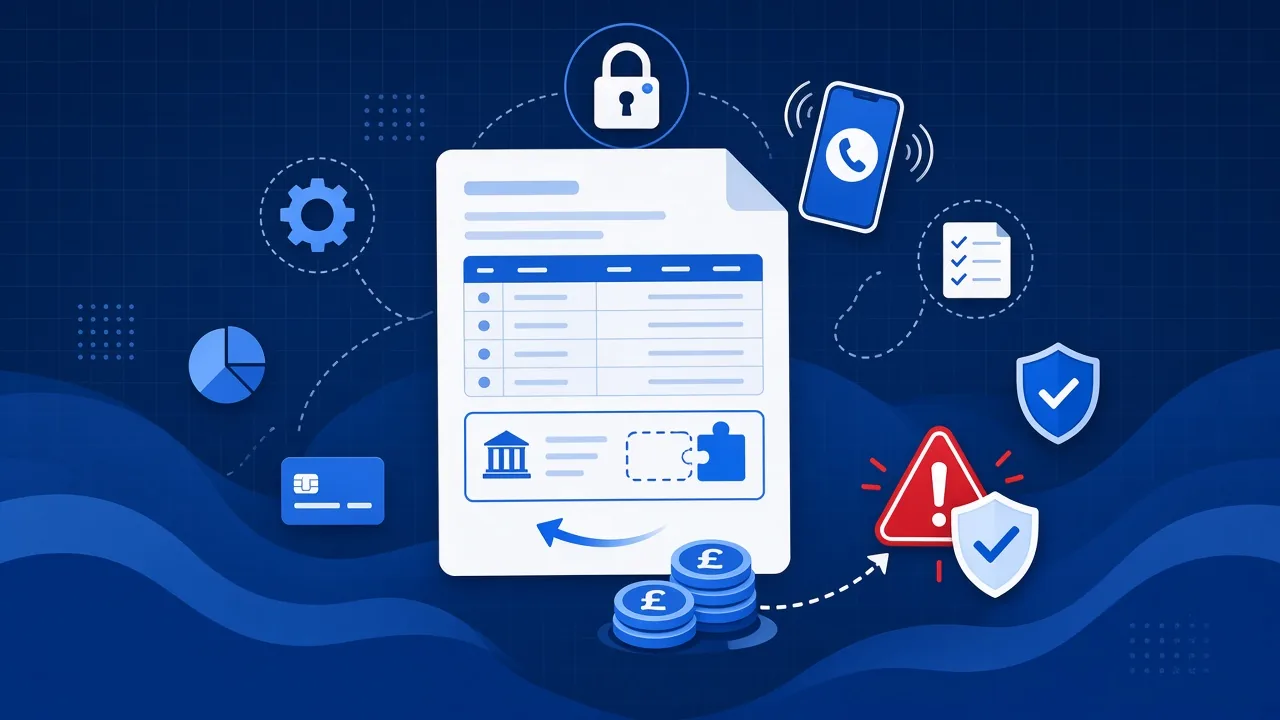
Almost every business we build software for started with a spreadsheet, and almost all of those spreadsheets were good.
That is worth saying, because the usual advice treats them as a failure of discipline. They are not. A spreadsheet that runs stock, production or job costing for a real business is a piece of software that somebody built, in their own time, around the way the work actually happens. It is usually the most accurate description of the process that exists anywhere in the company.
The question is not whether it was a mistake. It is when it stops being the right tool.
The signs
Only one person really understands it. You know the one. It works, and it works because of things that person knows and has never written down. When they are on holiday, some decisions wait.
It has stopped being one file. There is the master, and there is the copy someone took to work on at home, and there is the version with last month’s figures that people still open by accident.
The same information is typed in twice. Into the sheet, and then into the accounts package. Or into the sheet, and then onto a printed pick list. Every retype is a chance for the two to disagree.
Two people cannot use it at once. Or they can, and the changes overwrite each other.
Nobody trusts the numbers without checking. This is the important one. When people start verifying the system’s output by hand, you are paying for the system twice.
It will not answer new questions. The business wants to know margin by customer, or which jobs ran late and why. The data is technically in there, and getting it out takes someone a day.
What not to do next
The usual next step is to look at buying a package, and the usual result is one of two disappointments.
Either the package does 80 percent of the job and the remaining 20 percent goes back into a spreadsheet that now sits alongside an expensive system. Or it does the whole job but expects you to change the process it took you fifteen years to work out, including the parts that are the reason customers use you.
Sometimes a package genuinely is the right answer, and when we think so we will say so. But the choice is not only between a spreadsheet and an ERP.
The third option
Build a system around the process you have.
The cost of bespoke software is driven by scope, not by the size of your company. A focused system that handles stock and order processing, or production scheduling and shop floor capture, is a fraction of a full ERP licence and it does not carry an annual fee that grows with your headcount.
And the spreadsheet is not wasted. It is the specification. Someone has already worked out the rules, the exceptions and the edge cases that a requirements workshop would take months to surface.
How we approach it
We come and watch the job being done. Not a workshop, the actual work, including the awkward Friday afternoon exception that nobody would have mentioned in a meeting.
Then you get a written scope and a fixed price before anything is built, and you see working software in stages rather than at the end.
If any of the signs above sounded familiar, tell us what the process is and we will give you an honest view of whether it is worth doing.